NEW MEXICO |ATS IN PARTNERSHIP WITH NMCA
Psilocybin therapy education for New Mexico’s licensed counselors.
New Mexico is building the country’s first clinician-forward medical psilocybin program. Academy of Therapeutic Sciences is designing professional training for New Mexico counselors, built to the Department of Health’s proposed curricular standards.
Joining is free and does not commit you to enroll.

In partnership with
New Mexico Counseling Association
The exclusive training partner of the New Mexico Counseling Association
Academy of Therapeutic Sciences is the exclusive training partner of the New Mexico Counseling Association (NMCA). Together, we are bringing credible, ethics-centered psychedelic therapy education to New Mexico’s counseling community. NMCA members receive $2,000 off tuition, and waitlist members will be first to hear about courses and enrollment dates.
A medical program, built around the license you already hold.
Medical model
The Medical Psilocybin Act created a medical program overseen by the New Mexico Department of Health.
Licensed care teams
Under the proposed rules, certified practitioners lead care, and facilitators work under a practitioner’s direct supervision.
State-defined training
The Department of Health will certify educational programs and approve their curriculum before they can train New Mexico providers.
What New Mexico’s proposed standards require
The Department of Health has proposed minimum education and training requirements for practitioners and facilitators in the Medical Psilocybin Program. Here is what the proposed rule asks for.
Module 1. New Mexico Education (required for everyone, including those trained in other states)
- The New Mexico Medical Psilocybin Act
- Psilocybin in a medical and therapeutic model in New Mexico
- Social, cultural, and historical aspects of psilocybin use, including traditional use by Native American and other populations in New Mexico
- Spiritual, existential, religious, and theological aspects of psilocybin therapy
- Competency evaluation
Module 2. Psilocybin Therapy (practitioners and facilitators)
At a glance
At least 65 didactic hours, with at least one third in person, plus 10 hours of simulated patient experience.
Didactic topics:
Care and safety
- Practitioner and facilitator responsibilities, including working as part of a care team
- Trauma-informed care
- Psychedelic emergencies, urgencies, complications, and medical monitoring
- Safety, risk mitigation, and harm reduction
- Psychedelic de-escalation techniques
- Touch and somatic awareness
- Continuity of care and care plans
- Self-care
Science and practice
- Psilocybin actions and effects on the body, interactions, and pharmacology
- Drug interactions and pharmacology
- Set and setting
- Qualifying conditions and appropriate treatment practices
- Preparation and integration sessions
- Administration sessions
- Dosing
- Non-ordinary states of consciousness
- Research and data collection requirements
- Evidence-informed practice and research updates
Ethics, culture, and law
- Ethics in therapeutic settings
- Legal considerations
- 42 CFR Part 2 (confidentiality)
- Cultural competencies
- Traditional and ceremonial practices
- Equity and access
- Informed consent
- Patient-centered care
Simulated patient experience: at least 5 hours in person, plus at least 5 more hours that may be in person or virtual, with competency evaluation.
Module 3. Role-Specific Training (5 didactic hours each)
- Practitioners: psilocybin-specific therapeutic approaches and non-ordinary states of consciousness; working as part of a care team; competency evaluation.
- Facilitators: peer facilitation ethics; working as part of a care team; being present with a patient; basic concepts of psychotherapy (informational); competency evaluation.
Module 4. Supervised Practicum
- 100 hours for facilitators; 120 hours for practitioners.
- Begins after at least half of the didactic hours and all simulated patient hours are complete.
- At least 80 hours in administration-day sessions with at least 14 different patients, including individual and group sessions. The first 20 hours are with low-risk patients.
- At least 20 hours of in-person preparation and integration sessions, including individual and group sessions.
- Two case presentations to the practicum supervisor, with a passing grade.
- Practitioners complete an additional 20 hours supervising facilitators.
- All practicum hours take place at a Department-approved healing center or other approved location.
Early-applicant pathway
People who apply for certification and finish their didactic requirements by December 31, 2027, through a program certified or listed by that date, may qualify with at least 40 hours of documented contact time instead of the full practicum.
Module 5. Other Requirements
- Current BLS, or CPR and AED certification (or New Mexico EMT licensure).
- HIPAA training completed within the past two years.
- At least 10 hours of post-graduation mentoring from the educational program, at no extra cost, available for up to 12 months after the practicum.
- Continuing education: 20 hours in psychedelic therapy and practice every two years.
How ATS is preparing
ATS is building its New Mexico curriculum to map to each of these proposed requirements, and we intend to apply for Department of Health certification once the rule is final and applications open. Waitlist members will receive updates as the standards and our program take shape.
Source: New Mexico Department of Health, proposed rule 7.35.3 NMAC, sections 7.35.3.18 and 7.35.3.19. Read the proposed rule (opens in a new tab)
Tuition
STANDARD TUITION
$7,500
NMCA MEMBERS
$5,500
$2,000 off standard tuition
The NMCA member discount is applied after we verify active NMCA membership. The start date and program hours will be announced once the New Mexico Department of Health begins accepting applications for educational programs. Those who join the waitlist and enroll in 2027 will receive an additional $250 off tuition, bringing the total to $5,250.
Join the NMCA member waitlist
Be first to hear about ATS courses for New Mexico counselors and enrollment dates. NMCA members receive $2,000 off tuition. Not an NMCA member yet? You are welcome to join the list too.
Built by educators
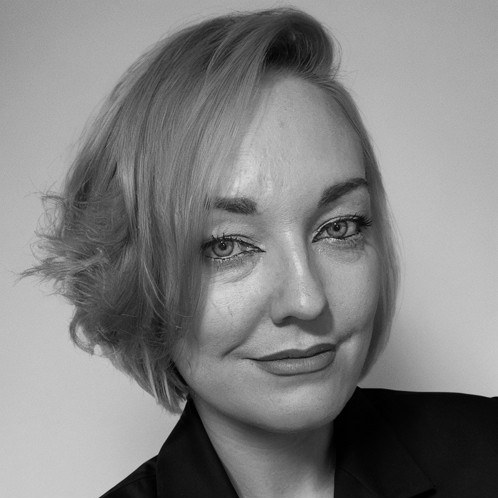
Kathleen Bruce
Co-founder and Chief Executive Officer
Kathleen is a steward of culturally responsive and transformative learning practices. Her professional background is in higher education leadership and curriculum design. Natural Medicine Expertise: Compliance, Facilitator Ethics, and Curriculum Mapping.
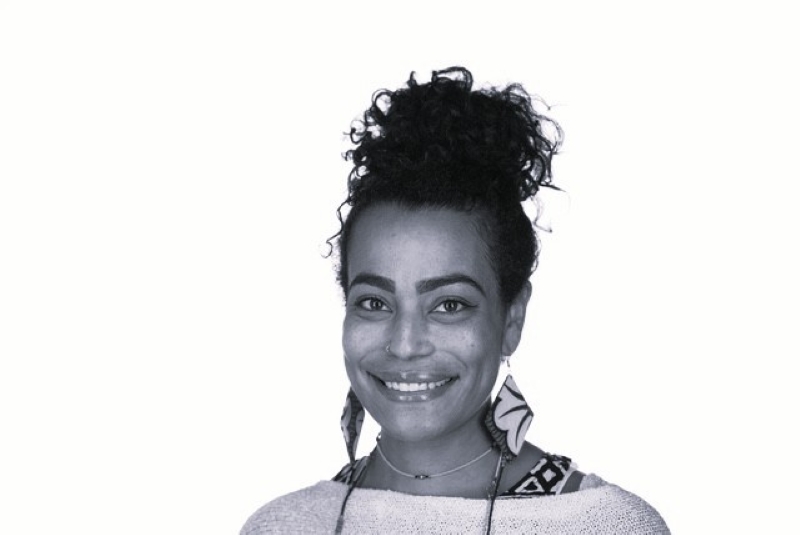
Iset Estela
Co-founder and Chief Academic Officer
Isét has an ancestral lineage that informs her curriculum on traditional medicine practices and the industry’s intercultural dynamics. Natural Medicine Expertise: Historical origins, traditional practices, and trauma-informed care.
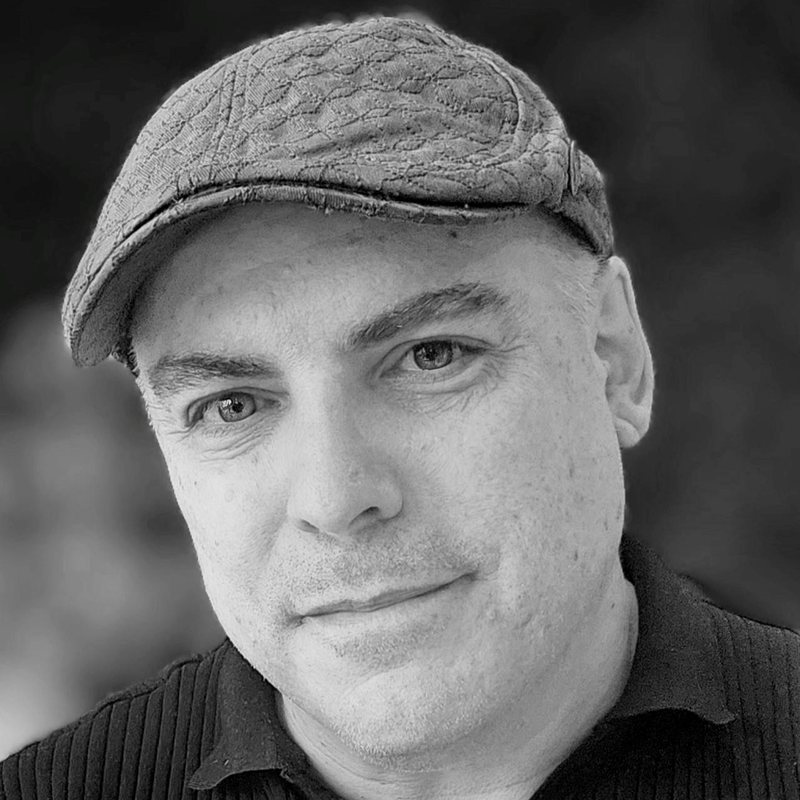
Frank McLaughlin
Co-founder and Chief Operations Officer
Over 30 years of experience in education and inclusive learning. Brings his strengths in operations and motivating learners to ATS. Natural Medicine Expertise: Tracking vital information and curriculum design.
FAQ
Is ATS approved by the New Mexico Department of Health?
Not yet. New Mexico’s rules for educational programs are still proposed. ATS intends to apply for certification once the final rule is published and applications open.
Does joining the waitlist enroll me?
No. The waitlist is free and is not an application or enrollment. It does not reserve a seat or create any financial obligation.
How much is tuition?
Standard tuition is $7,500.
Do NMCA members receive a discount?
Yes. NMCA members receive $2,000 off tuition, for a total of $5,500. We verify active NMCA membership before applying the discount.
Which role fits my license: practitioner or facilitator?
That depends on your license and the final rule. We will share role guidance with the waitlist once the Department of Health finalizes it.
When will training begin, and how many hours is the program?
We will announce the start date and program hours once the New Mexico Department of Health begins accepting applications from educational programs. Waitlist members will hear first.
I trained in another state. Do I still need New Mexico training?
Under the proposed rule, everyone must complete a New Mexico educational module, including people trained in other states.